What Oil Does Raising Cane’s Use
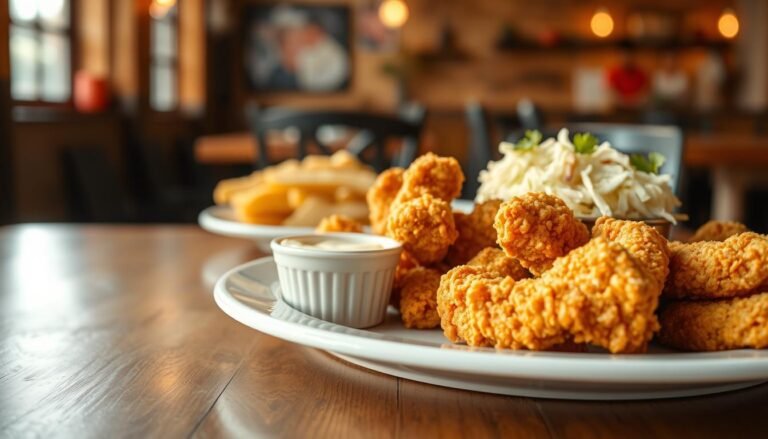
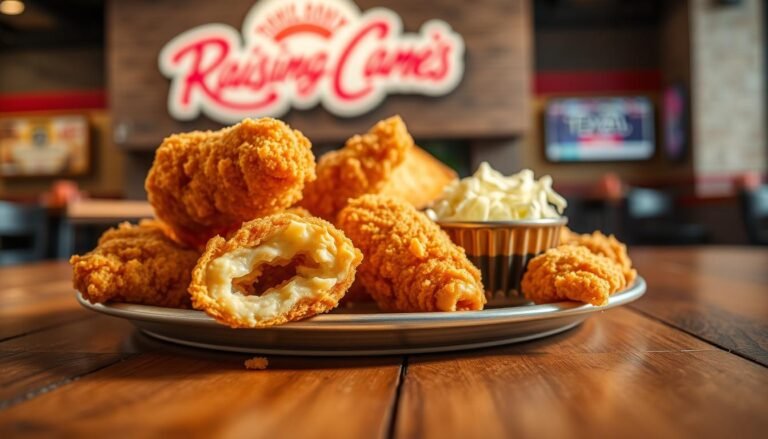
We aim to answer common kitchen and menu questions while keeping our tone clear and direct. In this introduction we explain the basics behind our signature golden-brown chicken fingers and the meal choices that pair with them.
Our lemonade contains 35 grams of added sugar, and we offer freshly brewed tea as a lighter alternative. The box combo remains a popular pick for customers seeking a complete meal with fries, toast, and our secret sauce.
At every raising cane location, we focus on consistent quality. We select ingredients to balance flavor and texture across our menu. That includes the foundational cooking method behind our chicken fingers and the sides that accompany them.
Transparency is part of our culture. We explain cooking practices and menu details so guests can make informed choices. Read on for a clear look at how we craft a satisfying box combo and the role of our signature sauce and drinks.
Understanding the Raising Cane’s Culinary Approach
At the heart of our kitchen is a simple promise—serve the best chicken fingers we can make. We call this One Love: a focused pledge to quality in every order.
We source fresh, never-frozen cuts so each finger stays tender and true to its flavor. Limiting our menu lets us repeat the same steps well, which keeps taste and texture consistent across locations.
- Hand-marinated preparation ensures each chicken finger carries balanced seasoning.
- A tight menu lets staff refine frying and timing for reliable results.
- Focused operations highlight our cane chicken and the signature finger meals guests expect.
By concentrating on a few core items, we improve speed, reduce waste, and deliver the same high-quality meals every visit.
What Oil Does Raising Cane’s Use for Frying
We rely on a precise frying approach to deliver consistent crispness across our menu. Our method pairs science with simple ingredients so each order meets our standards.
Soybean Oil Usage
We include high-quality soy in the frying blend to help achieve a light, even crust on each chicken finger. Soy contributes to the familiar taste and helps control frying performance.
Canola Oil Integration
We combine canola with soy to improve smoke point and keep flavors clean. That mix preserves the texture of crinkle-cut fries and the buttery finish on texas toast.
| Component | Typical Temp (°F) | Primary Role |
|---|---|---|
| Soybean (blend) | 350–360 | Crisp crust on chicken fingers |
| Canola (blend) | 360–375 | Stable frying for fries and toast |
| Managed blend | 350–370 | Consistent flavor and longer oil life |
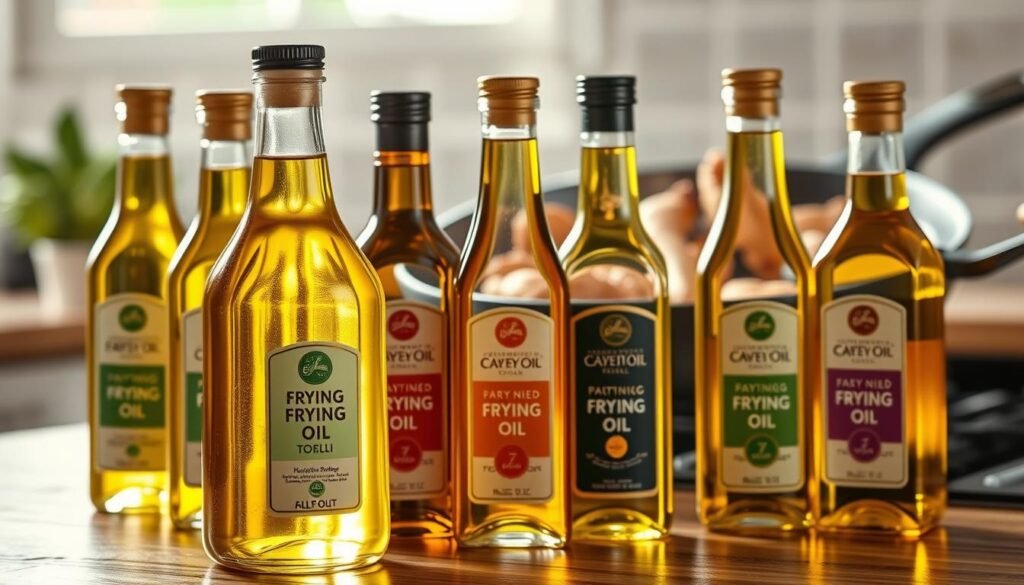
We maintain frying temps and quality checks so each finger and batch of fries meets our bar. A standard box combo delivers about 1300 calories from the chicken finger, crinkle-cut fries, and toast.
The Role of Seed Oils in Our Menu
Seed-based cooking fats play a clear role in many of our menu items and in the flavors guests expect.
We use seed oils across items such as coleslaw dressing, sandwich buns glazing, and in the preparation of our cane sauce. We list ingredient details so guests can make choices that match their preferences.
Our crinkle-cut fries and chicken fingers are fried in the same high-quality blend to keep taste consistent. That single approach helps each box combo stay familiar, from the toast to the finger portion.
- Transparent ingredient info for coleslaw and buns.
- One oil blend for fries and chicken fingers to maintain flavor.
- raising cane sauce is a proprietary recipe that complements our chicken and sandwiches.
- We encourage guests who track added components or prefer alternatives to review our ingredient lists before ordering.
If you prefer lemonade or tea with your meal, we note beverage ingredients as well. Our goal is clear labeling so you can enjoy your order with confidence.
Transparency Regarding Our Ingredient Sourcing
We share sourcing details so you know how we protect quality across every location. Our goal is to give clear, concise information about where key components come from and how we vet them.
Sourcing Standards
We operate 600 restaurants across the United States, and we hold the same strict standards for all our food. That scale lets us set consistent requirements for suppliers and audits.
Expansion into 29 restaurants in the Middle East shows our commitment to bringing this same quality to new communities. Local sourcing may create minor differences, but the core standards stay firm.
- Consistent sourcing rules across our U.S. restaurants improve traceability.
- Global growth includes local supplier checks to uphold our expectations.
- We provide clear ingredient information so guests can make informed choices.
- We spend significant time vetting partners to meet quality and safety goals.
If you need specific details about ingredients or sourcing at a location, ask staff or check our online resources for up-to-date information.
Navigating Dietary Restrictions and Allergen Risks
Clarity around allergens lets guests with sensitivities enjoy their favorite items with more confidence. We list ingredients and provide guidance so you can review risks before ordering a meal.
Milk and Wheat Considerations
We handle milk and wheat across our kitchens, so cross-contact is possible. If you have a milk or wheat allergy, please check ingredient guides and speak to staff.
Egg and Fish Allergens
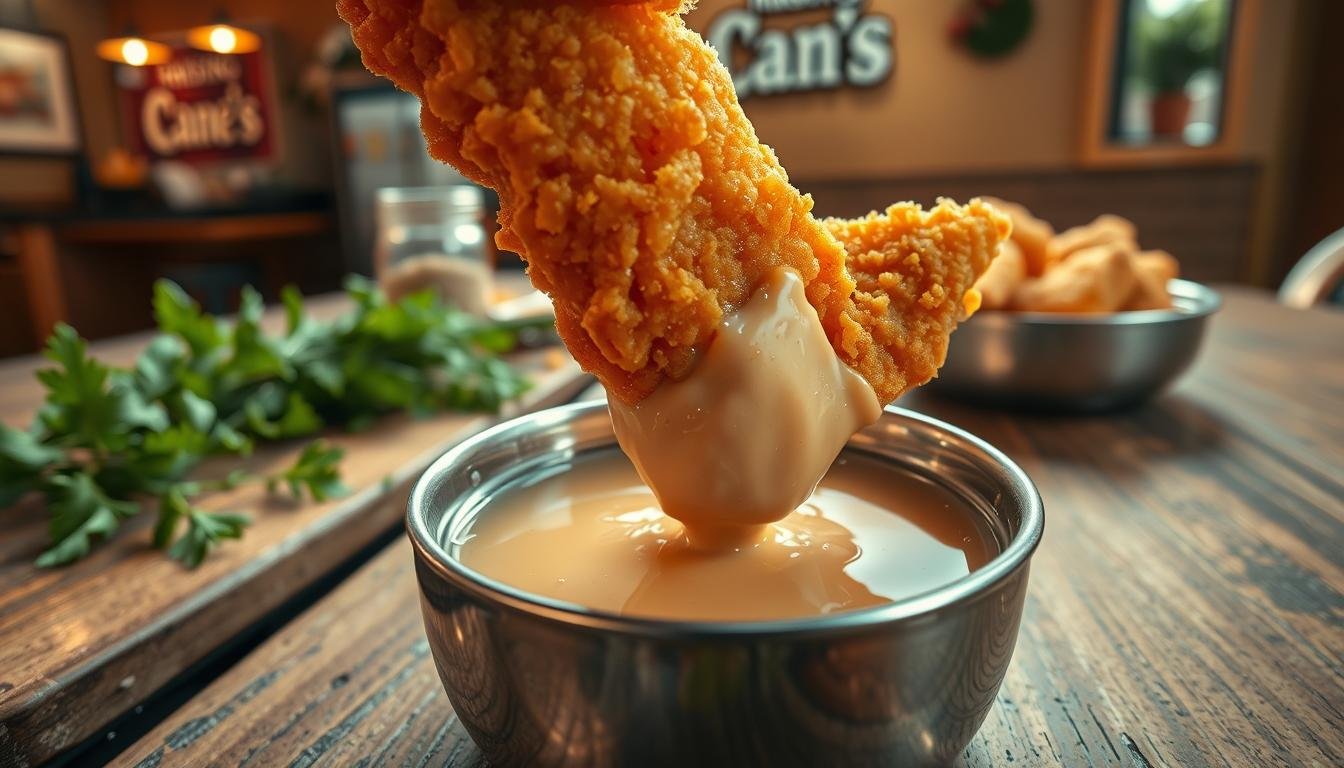
Our cane sauce contains egg and fish, plus soy, which makes it unsuitable for some guests. We offer hot sauce packets as an alternative for those avoiding those allergens.
Gluten Sensitivity
Standard chicken is breaded and contains gluten. We offer naked chicken as a lower-risk choice for guests with gluten sensitivity, but we cannot guarantee zero exposure.
- We take dietary needs seriously and publish allergen info for all menu items.
- Request manager assistance for detailed questions about a sandwich, fries, or other meal components.
- When in doubt, review our allergen guide before ordering to reduce risk.
Why We Maintain a Focused Menu
We keep our menu tight so each recipe gets daily attention from cooks and managers. This focus helps us deliver consistent chicken finger meals across every location.
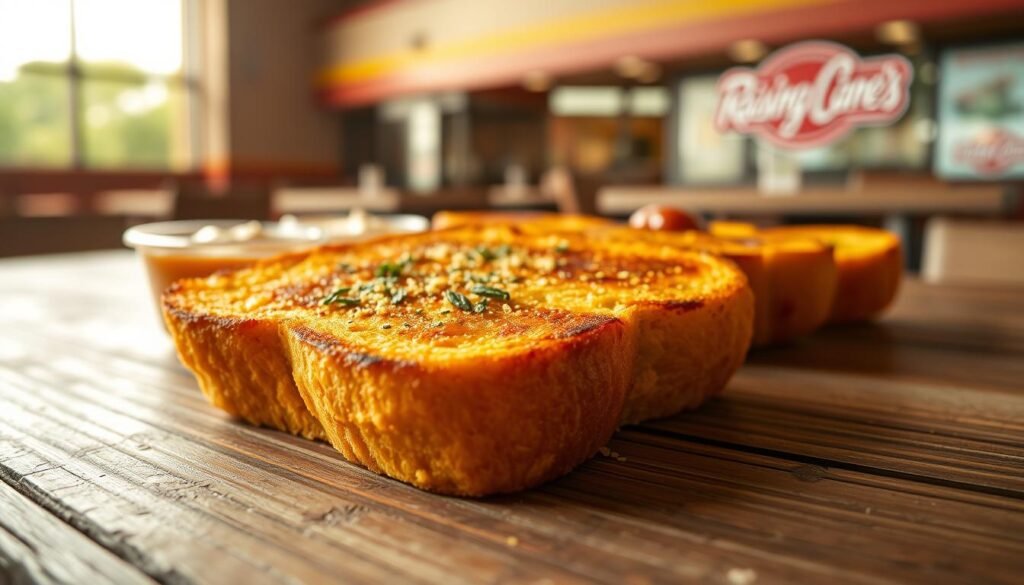
Our texas toast is a fan favorite. It provides about 150 calories and a buttery garlic finish that pairs with each chicken finger and the rest of the box combo.
We also manage sugar in our lemonade and track calories in menu items. Guests who prefer lighter drinks can choose freshly brewed tea instead.
- Fewer items mean more practice and care for every chicken finger meal we serve.
- Our texas toast is toasted to a golden, garlicky crisp to complement finger meals.
- We monitor sugar in lemonade and calories to keep meals balanced.
- Options like tea and the classic box combo stay consistent across stores.
- Simplicity helps us prioritize quality over variety in every meal.
Addressing Cross Contamination Concerns in the Kitchen
Guest safety guides how we set fryer routines and train every team member. We know cross-contamination is a real concern for people with allergies.
At our locations, shared fryers cook multiple items. That includes chicken, fries, and other menu items prepared in the same oil.
Milk and wheat are present in our kitchen daily. Because we handle these ingredients, there is an inherent risk for guests with severe sensitivities.
- We follow strict procedures and train staff to reduce cross-contact during frying.
- We encourage you to speak with a manager about your specific allergen needs before ordering.
- Please inform our crew if you have a severe allergy so we can take extra precautions.
- We are committed to clear communication about food handling and the risk that shared equipment can pose.
Exploring Our Commitment to Fresh Quality
Quality starts with fresh chicken and careful preparation at every step of service.
We never use frozen meat. Every piece of cane chicken arrives fresh so our chicken fingers stay tender and juicy.
Our team hand-marinates each portion and cooks orders to spec. This helps us deliver a consistent, premium finger every time.
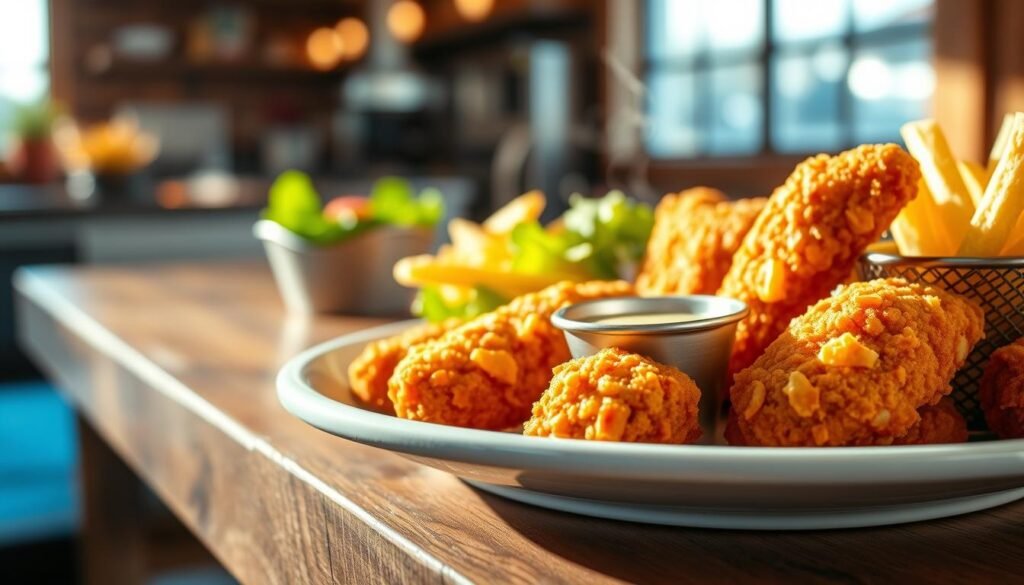
We also offer a secret-menu naked chicken finger for guests who prefer unbreaded, higher-contrast flavor. That option highlights texture and natural taste.
- Fresh, never-frozen sourcing means more tender meat on every plate.
- Hand-marinated pieces are cooked to order for peak flavor and heat.
- Our crew follows the raising cane philosophy: simple menu, high standards.
- Try the naked chicken finger to taste the difference of fresh, unbreaded meat.
How to Make Informed Choices at Our Restaurants
Our crew can walk you through ingredient details so you feel confident about your meal choices. We keep answers direct and easy to follow when you ask for information at the counter.
Before you visit, review the ingredient sheets online or ask staff in-store. That helps if you track calories or manage a dietary restriction.
Whether you order a box combo or a side of coleslaw, feel free to ask about specific ingredients. We will explain how items like texas toast, fries, and raising cane sauce are prepared.
- Request nutritional facts for lemonade or tea when choosing a drink.
- Ask for hot sauce on the side to customize flavor without adding extra sauce.
- Tell us about allergies so we can share best-practice handling tips at our restaurants.
We want you to enjoy your meal with confidence. If you need more detailed information, our team will help you pick the right toast, sauce, or combo for your needs.
Managing Expectations for Sensitive Diets
We know dietary needs vary, so we provide clear, practical guidance at every location. Guests with severe allergies should talk with our team before ordering to review allergen handling and any possible cross-contact risk.
If you have a major sensitivity to gluten or milk, please consult staff to learn how menu prep could affect your meal. We explain which items, like lemonade or tea, may fit your plan and which require extra caution.
- We train crew to answer allergen questions at point of sale and in our restaurants.
- Verify ingredients for any item if you manage strict dietary limits.
- Tell us about your allergies so we can suggest safer choices or handling steps.
- We respect the differences in how guests manage health and will support your choices.
Your safety is our priority. We aim to equip you with clear facts so you can enjoy a meal with confidence while minimizing risk.
Final Thoughts on Our Cooking Practices
We aim to leave you with clear information about our kitchen routines and quality checks. Our goal is consistent food that tastes the same each time you visit.
From buttery texas toast to our signature sauce and fresh chicken, we focus on simple recipes and steady procedures. We handle milk and other ingredients carefully and train staff on allergen steps.
If you have questions, speak with our team for specific ingredient information or timing concerns. Thank you for choosing raising cane — we look forward to serving you tea and a great meal soon.